
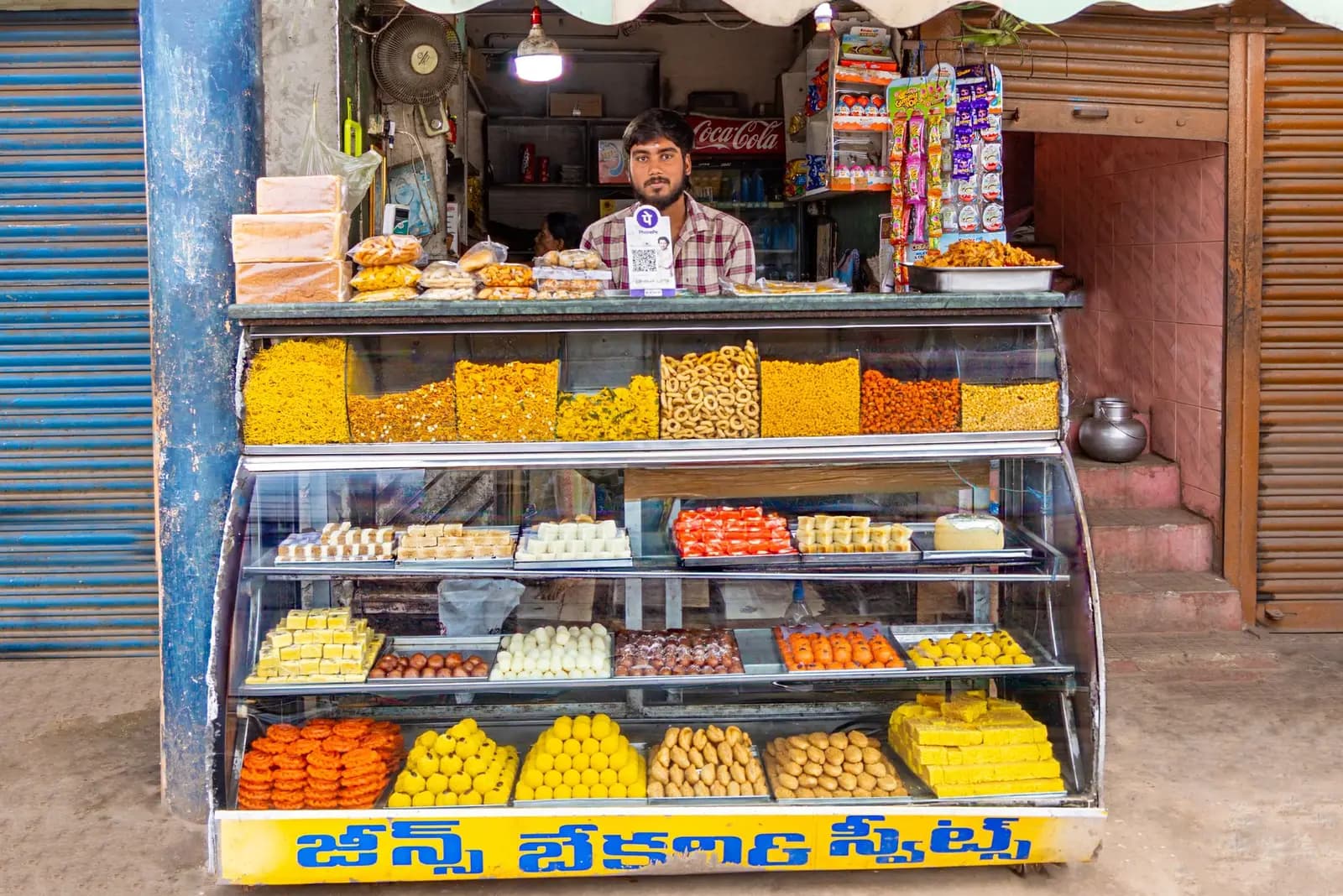
Every food business in India — from a tea stall to a factory — needs to be registered or licensed under the Food Safety and Standards Act, 2006. FSSAI registration and the MCD Health Trade Licence are complementary: one is about food safety standards, the other about municipal regulation of the trade and premises.
Registration or licence
FSSAI uses three tiers:
- Basic registration for petty food businesses, generally those with annual turnover up to Rs 12 lakh.
- State licence for medium-sized businesses, issued by the State Food Safety Department.
- Central licence for large operations, importers and certain categories, issued by FSSAI.
Turnover, production capacity and the type of business decide the tier. Thresholds and fees are notified by FSSAI and revised from time to time, so we check the current position on the FoSCoS portal when advising.
Process
Applications are filed online on FoSCoS with ID, address proof, premises details, a food safety management plan for licences, and category-specific documents. Licences may involve inspection.
How it fits with MCD
A Delhi restaurant typically needs the MCD HTL, FSSAI licence or registration, and possibly a fire certificate. Aggregators and delivery platforms usually ask for the FSSAI number before listing.
How We Assist With FSSAI Food Licence
We are clear with clients that this approval is issued by the Food Safety Department / FSSAI, not by MCD. Our role is to work out whether it applies to you, prepare the documents and online application, and coordinate it with your MCD licence so that one approval does not hold up the other.
We are an independent consultancy. Licences are granted solely by the competent authority; we do not guarantee approval or timelines.
Frequently Asked Questions
No. In MCD areas, a restaurant also needs the MCD Health Trade Licence, and possibly a fire safety certificate.
Last reviewed: November 2026. Government fees, forms and procedures change; verify on the official portal before paying.

